
How To Build Emotional Resilience: Bounce Back and Stay Strong
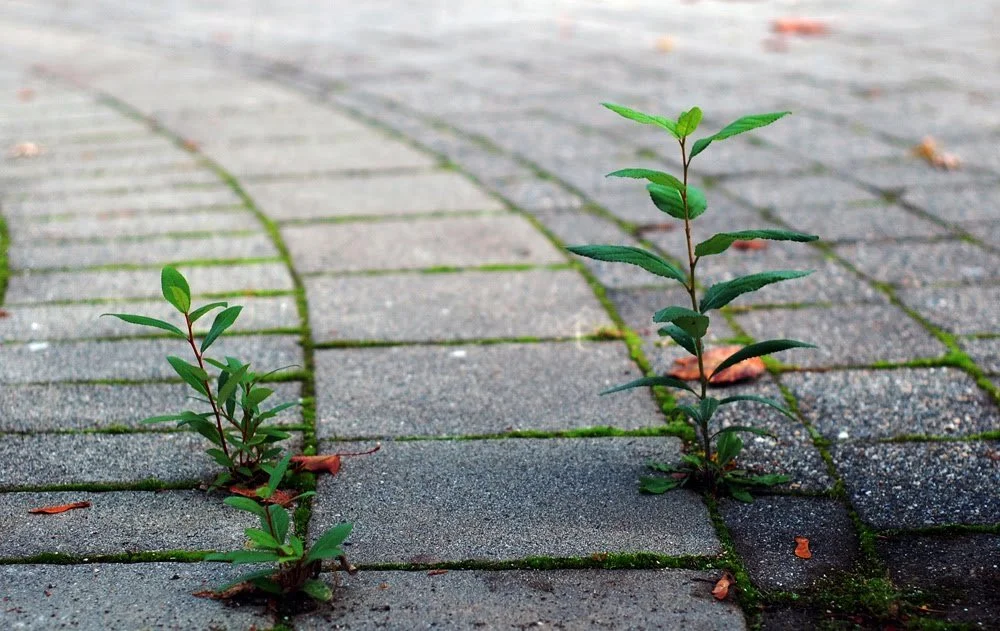
photo: Spencer Pickles
Are you too busy recovering to truly thrive?
Why do stress and conflict feel completely overwhelming?
Do you wish that you were better at handling life’s difficulties?
It often feels like some people are tough and some are fragile but in reality, no one is born resilient.
Resilience is something that you develop.
You can increase your resilience, overcome stress and live the life you want.
What Is Emotional Resilience?
Resilience is the ability to harness inner strength to maintain control of your emotions and your life, despite what difficulties come your way.
“Resilience is the extent to which we can bounce back from adverse events, cope with stress, or succeed in the face of adversity,” says Dr. Cindy Bergeman, a psychology professor at the University of Notre Dame.
Strength isn’t about being unaffected by conflict and difficulty. It’s about developing strategies to deal with difficult times so that you can bounce back and live a successful and happy life, despite what the world throws at you.
Moments in our life will always come along that knock us down but we can learn to get back up.
“You’re not born with resilience. “It’s not something you either have or don’t have.” - Dr. Alexandra Burt, child development expert at Michigan State University.
But resilience isn’t as simple as just picking yourself up when you fall. There are many elements that affect your ability to be resilient.
“Resilience is a process in which many factors—including family, community, and cultural practices—interact. It boosts wellness and protects you from risks to your well-being. For many people, these risks are compounded by hardship and discrimination.” - Dr. Lisa Wexler, suicide prevention researcher at the University of Michigan.
Resilience is different for everyone. One person may find a large, busy wedding to be a stressful environment while someone who grew up with a big family may be able to navigate big weddings with ease.
A way to think about emotional resilience:
How do you match what you need with the kinds of tools that you have?
Think back on a recent, stressful situation.
How did you deal with it?
What felt overwhelming?
What felt helpful?
Did you choose a healthy strategy?
What do you wish you did instead?
How might other people have helped you deal with it?
How did you feel before and after?
How did you feel during?
Taking a mental inventory like this can help you process what happened and prepare for what is coming next.
Why Is Emotional Resilience Important?
The more resilient you are, the more you are able to overcome challenges, fight burnout, and manage issues like anxiety, depression, fear, worry, and panic.
Many stressful situations cannot be avoided or changed. Other situations may be worth experiencing, even though they’re mentally or emotionally taxing.
Resilience is not about eliminating difficulty or stress. It’s not about just toughing it out and pushing through it on your own. It’s about developing resources and abilities to work through tough situations and tapping into these abilities when you need them most.
Researchers call these resilience resources “protective factors”—characteristics of a person, those around them, and their wider environment that reduce the negative effect of adversity.
“[Protective factors] can buffer stress or directly promote well-being—and sometimes even do both,” says Dr. Lisa Wexler.
Resilience won't make your problems go away, but it can help you see past them, find ways to enjoy life and better handle stress.
If you aren't as resilient as you'd like to be, it’s important to focus on understanding and developing your protective factors so you can become more resilient.
How Can You Build Emotional Resilience?
There are so many tools available that you can use to increase your emotional resilience so you can feel stronger and more in control of your life.
First, you need to recognize your own coping skills. Chances are you’re already more resilient than you think. While you can always become stronger, to make it this far in life, you’ve already coped with difficult times and emotions so give yourself credit for that.
As we go through the list of ways to build emotional resilience, think about which ones you already employ, which you’d like to further develop, and which you’d like to try for the first time.
Just remember…
Building resilience is a personal experience. What works for one person will not work for everyone. This is a chance to discover which strategies work best for you.
Building resilience isn’t a straight line. Some situations can leave us feeling weaker while others can give us strength. It all depends on how we cope and what the outcome is. Just know that you can always bounce back.
Getting help when you need it is a crucial part of building resilience. For some people, this can be the hardest part. But you’re not alone on this journey.
You can’t control all of your circumstances, but you can grow by focusing on what you can change and seeking the support from loved ones and trusted professionals.
1. Get Connected
Your community can be a major source of resilience. Just being around (or in contact with) people who have your best interests at heart can give you a major boost when things are difficult.
But sometimes proximity isn’t enough and you’ll have to ask for help and support from others.
When you’re feeling alone, here’s where you should start:
Build strong and healthy relationships with family, friends and community.
Create healthy social support networks. This means checking in and connecting with people before things get bad. It’s about helping others as well as seeking support.
Surround yourself with people who build you up. Distance yourself from those who knock you down.
Join a group. Groups and organizations based on interests, faith, or shared values are great resources. They can provide social support and help you reclaim hope.
Help others. Whether it’s volunteering with a local aid organization like ours or supporting a friend in their time of need, helping creates a sense of purpose and builds self-worth.
Connect with your culture. Different cultures have developed different ways to help people cope. The ceremonies, teachings, and cultural practices that are meaningful to you can be major protective factors against breakdown.
“Access to cultural resources combined with the ability to use them is what helps lower suicide risk,” says Dr. James Allen from the University of Minnesota.
Use the resources available to you. Emotional resilience doesn’t happen in a vacuum.
2. Take Care of Yourself
When your needs are met, you’re automatically more resilient. You’ll always feel stronger when you’re well-rested, nourished, and relaxed.
Making small changes to your routine can provide a sort of emotional suit of armour that will protect you when things don’t go as you planned.
Do something you enjoy every single day. Even if it’s something small, providing happiness for yourself will replenish your emotional reserves and create a better relationship between your mind and your body.
“In times of stress, self-care can be the opposite of selfish,” says Dr. Alexandra Burt.
Make a plan to take care of your own needs and feelings.
Look after your body. Build movement into your day. Get plenty of sleep and create bedtime rituals. Eat a healthy diet.
Practice managing stress.
Find ways to relax, such as yoga, meditation, guided imagery, deep breathing or prayer.
Don’t ignore your problems. Face them head on, make a plan, and take action. Taking action can be hard at first but the more you do it, the easier it will become.
Take steps to develop your confidence. Recognizing your own strengths and resources helps to increase your self-confidence and ability to problem solve.
It can take time to recover from a major setback, but know that your life can improve, and that working on building emotional resilience and tackling the issues is a huge step towards that.
3. Build Meaning
When it feels like your life has no meaning, it is so much harder to stay strong and persevere. But there are ways that you can build connections between your everyday actions, your larger goals, and the world around you.
Celebrate your victories. Find a reason to congratulate yourself each day, even if it’s as small as getting out of bed and moving your body.
Set goals. Making gradual progress can endow the future with meaning. Keep your goals clear and realistic to start. Don’t forget to stop and appreciate each step taken, no matter how small.
Look at difficulties as opportunities for self discovery. Following a difficult event, it can help to identify what lessons you can learn about yourself, your perspectives, your strengths. Did you develop any new skills or relationships?
After looking at 79 different studies on meaning, researcher Joel Vos found that there five main aspects of life where people find meaning:
Self growth: resilience/coping, self-insight, self-acceptance, creative self-expression, self-reliance, reaching daily goals, and self-care.
Social: feeling connected with family and friends, belonging in a specific community, contributing to society, and taking care of others.
Transcendent: purpose in life, personal growth, self-development, the temporary nature of life, justice and ethics, religion, and spirituality.
Material: animals, possessions, professional success, finances, nature, leisure activities, sexual experiences, health, and sports.
Presence: individuality, uniqueness, being alive, living in the moment, freedom and connecting with the world.
Looking at your life in this way can help you determine where you find meaning and what is missing from your life.
4. Look Forward
Perspective can have a large impact on our ability to respond and build emotional resilience for the future. It’s important to not see crises as permanent or unbearable.
Embrace new perspectives. It’s possible to interpret events differently so you feel less distressed, helpless and hopeless.
Talk things out. Get feedback about your feelings around a particular situation from someone you trust. This can really change how you look at things and show you that you’re not alone.
Learn from difficulty. Tough situations often include lessons that can make it easier to move forward.
Look for the positives. When things look dark, looking on the bright side may feel impossible. But the more you notice the good and practice gratitude, the easier it will be to find.
Accept circumstances that cannot be changed. Realizing that you can’t control everything is humbling. But accepting that fact helps you stop worrying and focus on what you can control.
Look at the macro view. Placing difficult moments into a broader context can make them feel more manageable.
5. Learn From The Past
You may not want to think about what you’ve been through, but reliving the past from a place of safety can be a powerful way to learn about coping and emotional resilience.
Just thinking about it is great but writing can be even better because it allows you to better understand and process what happened.
First, take an inventory of your coping skills. Think about what has helped you through tough times, work out what triggers stress for you, and recognize patterns of how you behave. This will help you anticipate future problems and decide how to tackle them before they come up.
Then, look at past stressful events. This will help you to see patterns in your life and in your own behaviour.
Finally, look at the stressors that hang around:
Issues/situations that come up regularly that you worry about
One-off events that you think about frequently
Ongoing stressful events which remain in the back of your mind
Things that you are worried about happening again
You may be surprised to discover just how much you’re coping with at one time, and how these different stressors cross over into each other. This is a great opportunity to give yourself credit for how you’re already coping with major sources of stress.
Acknowledging the things you’re coping with in this way can help you to see what you need to explore further and what you need to let go.
You Can Become More Resilient
Researchers all agree that resilience is a learned skill, not something you’re born with. So if you’re willing to do the work, you can become more resilient and able to overcome challenges, avoid burnout, and manage anxiety and panic.
This process is not easy but if you stick with it, it will make your life easier, more stable and more meaningful. Keep moving forward, trying new approaches, and working on building the skill of resilience.
Your reward won’t be an end to difficulty, but the power to overcome anything that life throws at you.
What’s Next?
BLOG POST: Learn to build resilience every week by overcoming the Sunday Scaries.
BLOG POST: Understand the unique mental health challenges you face as a Vancouver Island resident.
BLOG POST: Learn about the gut-brain connection, the link between your body chemistry and your mental health.
Sources
Building your resilience — American Psychological Association
https://www.apa.org/topics/resilience/building-your-resilienceBuilding resilience — CAMH (Centre for Addiction and Mental Health)
https://www.camh.ca/en/camh-news-and-stories/building-resilienceResilience: Build skills to endure hardship — Mayo Clinic
https://www.mayoclinic.org/tests-procedures/resilience-training/in-depth/resilience/art-20046311Managing stress and building resilience — Mind
https://www.mind.org.uk/information-support/types-of-mental-health-problems/stress/managing-stress-and-building-resilience/Nurture your resilience — NIH News in Health
https://newsinhealth.nih.gov/2022/04/nurture-your-resilience5 sources of meaning in life and how to tap them — Psychology Today
https://www.psychologytoday.com/ca/blog/what-matters-most/201808/5-sources-meaning-in-life-and-how-tap-them/amp