
Climate Anxiety on Vancouver Island - 5 Simple Coping Strategies
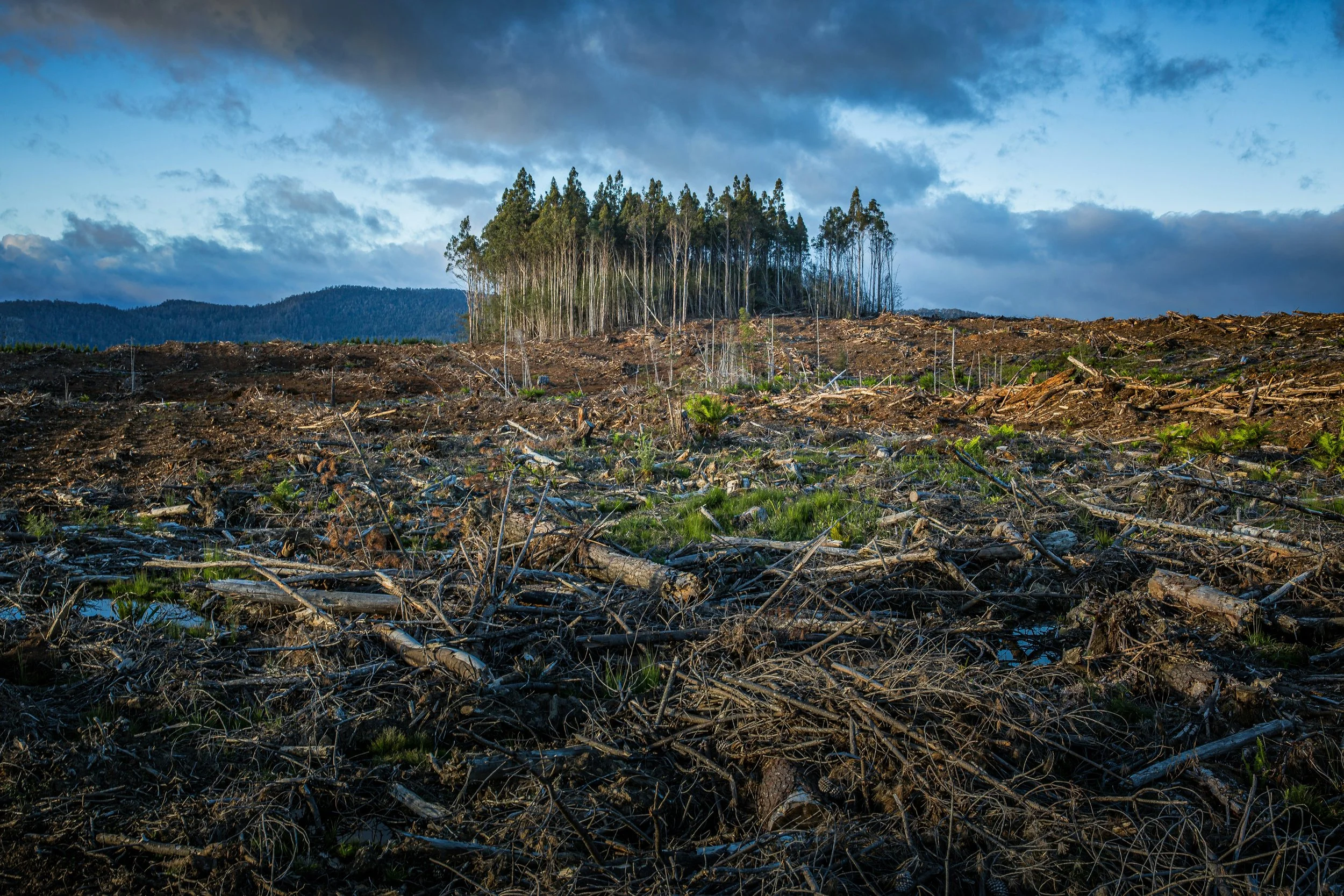
Photo by Matt Palmer from Unsplash
As climate change worsens, there’s a greater risk of significant events like droughts, floods, storms, and heat waves.
Even just the anticipation of these events can cause significant stress and worry.
If you’re feeling anxiety about the climate, you’re not alone.
An October 2025 study surveying more than 2300 Canadians found that 68% felt some level of anxiety about climate change, and one in forty Canadians had “clinically relevant” symptoms.
But there are ways to cope with these feelings so we can keep moving forward.
What is Climate Anxiety?
Climate Anxiety is categorized as an intense feeling of distress and/or helplessness in response to the threat of climate change.
It is felt by adults and children alike, and stems from both real-world direct exposure and indirect exposure like social media.
For many individuals, climate anxiety can cause difficulties sleeping and concentrating, and have a negative effect on well-being.
Climate Anxiety on Vancouver Island
While Vancouver Island has yet to suffer major climate disaster, we do face significant risks. The rising sea threatens to wash away homes, infrastructure, and valuable wilderness.
In particular, Oak Bay faces the highest risk on Vancouver Island from rising sea levels due to its large shoreline and low elevation, According to the Capital Regional District.
These potential disasters are already causing real-world financial strain in the form of rising insurance rates on coastal properties.
And with wildfires getting worse, and Canada warming at twice the rate of the global average, these threats aren’t going away anytime soon.
This, coupled with other mental health challenges related to island living, can make it difficult for Vancouver Island residents to enjoy daily life.
How To Cope With Climate Anxiety
While we can’t fix the planet singlehandedly, we can address our own climate anxiety so we’re able to live happier, more grounded lives.
1. Channel Anxious Energy Into Positive Action
Just like regular anxiety, climate anxiety can cause a buildup of nervous energy and restlessness. But because of the scale of the problem, climate anxiety comes with feelings of helplessness and thoughts like “it’s so much bigger than me. What can I possibly do to help?”
To help combat these feelings, take that nervous energy and put it towards something positive:
Bike to school or work
Pick up 5 pieces of litter on your walk
Switch out takeout plastic coffee cups for a reusable cup
Raise concerns with your MLA or MP
These are great ways to help your own wellbeing while helping the planet. While these may seem like small changes, they can make a massive difference to your mental state.
2. Stay Informed, Don’t Doomscroll
Having a comprehensive understanding of the reality of climate change can help alleviate our fears by making things feel more concrete.
But while it is important to stay informed, it’s equally important to limit your exposure to these issues so you don’t consume more than you can process.
The addictive nature of social media platforms coupled with the anxious thoughts about climate change can lead to a seemingly endless cycle of doomscrolling that only makes you feel worse.
Stay informed, but don’t forget to take breaks. The information will still be there when you get back.
And remember, sensationalist reporting gets clicks so it’s important to seek out reliable studies and accurate information, rather than taking everything at face value.
3. Get Involved
Keeping climate anxiety to yourself can lead to even stronger feelings of distress.
So surround yourself with like-minded people. Not only do they provide a great opportunity to connect around shared values and talk about your concerns, but by taking action together, you can help to directly address the problems facing our environment.
Join beach clean-up crews and other eco-friendly initiatives, and open the conversation surrounding climate anxiety with your loved ones.
Here are some local volunteer groups that are working to clean up the environment, increase sustainability, and raise awareness of environmental issues:
Community is a healing and necessary force, especially when dealing with such a hard-hitting issue.
4. Get Outside and Enjoy Nature’s Beauty
As individuals living on Vancouver Island, we are uniquely gifted with some of the most beautiful views right in our own backyard.
When feeling stuck in an anxious cycle, try to reset your body and mind by mindfully appreciating all that nature has to share with us.
Whether it’s a refreshing dip in the ocean, an invigorating hike through the forest, or simply sitting outside on a sunny day, reconnecting with nature is a great way to ground yourself.
5. Reach Out
Sometimes, climate anxiety can become too much to deal with on your own.
At The Mental Health Society of Greater Victoria, we know how difficult it can be to find the right type of care when dealing with anxious thoughts. With our peer support program, we can help you find the support you need to work through issues like climate anxiety.
Remember, climate anxiety is not uncommon and it’s not an overreaction. But coping with climate anxiety is possible so we can use our energy in more productive and effective ways.
Sources
Almost one million Canadians have serious climate anxiety, study suggests — CBC News
Climate anxiety — UNICEF
https://www.unicef.org/parenting/mental-health/climate-anxiety
How to manage eco-anxiety: advice from a climate activist — Greenpeace Canada
Prevalence, magnitude and distribution of climate change anxiety in Canada: an interdisciplinary study — Nature
Sea-level rise threatens Vancouver Island communities — Victoria News
https://vicnews.com/2025/04/14/sea-level-rise-threatens-vancouver-island-communities/
Coastal Sea Level Rise Risk Assessment — Capital Regional District
https://www.crd.ca/media/file/coastal-sea-level-rise-risk-assessment-report
FACT SHEET: Climate change and wildfires — Canadian Climate Institute
Canada’s climate is warming twice as fast as the global average — Government of Canada